
Proper aftercare is one of the most important steps in the tattooing and piercing process. While the artist or piercer brings the design to life, it’s the care taken afterward that ensures the artwork heals beautifully, maintains its longevity, and reduces the risk of complications.
Following recommended aftercare not only protects your investment, but also supports your body’s natural healing process, helping you achieve the best possible results. Whether it’s a fresh tattoo or a new piercing, consistent and mindful aftercare is essential for keeping your skin healthy and your body art looking its absolute best.
Tattoos


Aftercare may vary depending on your artist, but here are the typical procedures and recommendations for tattoo aftercare:
YOU WILL NEED:
-
An antibacterial, unscented pump handsoap. Do not use bar soap, as it may leave a residue.
-
A recommended tattoo aftercare moisturizer or any basic unscented face or body lotion
-
Sunscreen with a high SPF
If you are using second skin:
-
Only keep the bandage on for a maximum of 3 days. Depending on the tattoo and damage to the skin, your artist may provide you with an additional bandage and instruct you on how and when to change it.
-
After the 3 days of second skin, remove the bandage while in the shower. It is almost certain that the area under the bandage will be slimy due to the blood, plasma, ink, and sweat that have been trapped there. Wash the area with your hand using your antibacterial soap. Do not use any abrasive cleaners or instruments to wash your tattoo during the healing process.
-
Thoroughly pat dry and let air dry for 20 minutes or so before applying a light amount of your moisturizer to the tattoo. Be sure to only use enough for your skin to absorb. Any product remaining on top of the skin is clogging your pores and soaking your tattoo, preventing it from healing properly.
-
For the next 2 weeks, be sure to wash, dry, and moisturize your tattoo at least 2 times a day and after any activity involving dirt, bodily fluids, and excessive sweating.
If you are NOT using second skin:
-
Begin the aforementioned washing regimen when you arrive home from your appointment.
-
For the first 4 days, be sure to wash, dry and moisturize the area 3 to 4 times a day.
-
Be sure your bedding and clothing are clean. Depending on the tattoo, you may experience fluid leakage for the first 24-48 hours. If this occurs, change the bedding or item of clothing to avoid risk of infection.
-
Be sure to keep the area covered when around dirt, bodily fluids for at least the first 4 days. Washing, drying, and moisturizing is absolutely necessary after participating in any activity that is dirty or sweaty.
-
After the initial 4 days and for the next 2 weeks, wash, dry, and moisturize your tattoo at least 2 times a day or after dirty or sweaty activity.
-
If your tattoo begins to peel, this is normal. Do not pick at your tattoo, but allow the skin to naturally fall off when you wash and moisturize.
-
If your tattoo begins to itch, you can alleviate the discomfort by applying moisturizer and lightly smacking the tattoo. Don’t scratch!
-
If your tattoo gets stuck to your bedding or clothing overnight–do not remove the bedding or clothing without first getting it wet. Dry ripping off cloth can leave fibers stuck to your tattoo and increases the risk of infection.
-
If your tattoo has areas of scabbing, this may mean the area was heavily worked and your body is having difficulty healing. Be sure to keep those areas very clean and contact your artist if there are any spots that have rejected the ink. They should be happy to offer a touchup for this occasional predicament.
-
Be sure to let your tattoo have breathing time during the healing process. Don’t over-moisturize. The goal is to maintain a balanced moisturization of the skin that allows the ink to settle.
-
Avoid soaking the tattooed area for at least 2 weeks, preferably 3. This means no baths, pools, lakes, oceans, saunas, creeks, rivers, or retention ponds! While your tattoo is healing, the top layer of skin that was damaged is very fragile and is highly susceptible to damage when soaked. This can cause the ink to literally fall out, not to mention all the gross stuff you’re exposing an open wound to that could lead to infection and other yucky issues.
INSTRUCTIONS & TIPS FROM NOW UNTIL DEALTH
-
Use your high SPF sunscreen on the tattoo during sunny days or keep the area covered when in the sun. It is highly recommended that you use sunscreen on your tattoos regularly, as sun damage can greatly affect the longevity of your tattoo.
-
Regular moisturization of your tattoos with basic body lotions or specialized aftercare products is also highly recommended to increase the lifespan of your tattoos.
-
Shaving or waxing the area of your tattoo will increase the clarity and sharpness of the image.
-
Avoid tanning beds if you want your tattoos to maintain their quality. Don’t ask your artist when you’re allowed to go back to the tanning salon.
-
Keep your skin healthy, keep your tattoos happy.
Piercings



-
WASH your hands thoroughly prior to cleaning or touching your piercing for any reason.
-
SPRAY with sterile saline wound wash while healing. Moving or rotating jewelry is not necessary during cleaning/rinsing and may actually irritate the piercing.
-
DRY with clean, disposable products like gauze or cotton swabs, gently removing any crusty debris or build up. Cloth towels should be avoided as they can harbor bacteria and snag on jewelry.
-
What to Expect
-
Initially: some bleeding, localized swelling, tenderness, or bruising.
-
During healing: some discoloration, itching, secretion of a whitish-yellow fluid that will form some crust on the jewelry. The tissue may tighten around the jewelry as it heals.
-
A piercing may seem healed before the healing process is actually complete. This is because this type of wound will heal from the outside to the inside. Although it may feel fine on the outside, the interior could still be fragile. Be patient, and keep the piercing clean throughout the entire healing period.
-
Once healed: the jewelry may not move freely in the piercing; do not force it. Cleaning your piercings as part of your normal hygiene routine can help them stay clean and avoid having normal, possibly smelly, secretions accumulate.
-
TIP: Piercings, even healed ones, can shrink or close in minutes, even after having been there for years! This varies from person to person; if you like your piercing, keep jewelry in—do not leave it empty.
WHAT TO DO
-
Wash your hands prior to touching the piercing; leave the piercing alone except when cleaning.
-
During healing, do not twist, spin, or rotate your jewelry.
-
Exercise and sweating during healing is fine. Avoid activities that could jostle or aggravate the piercing. Keep the piercing protected from bacteria present on gym equipment or exercise mats.
-
Make sure your bedding is washed and changed regularly. Wear clean, comfortable, breathable clothing that protects your piercing while you are sleeping.
-
Showers tend to be safer than taking baths, as bathtubs can harbor bacteria. If you bathe in a tub, clean it well before each use and rinse off your piercing when you get out.
WHAT TO AVOID
-
Avoid cleaning with alcohol, hydrogen peroxide, antibacterial soaps, iodine, or any harsh products, as these can damage cells. Also avoid ointments as they prevent necessary air circulation.
-
Avoid Bactine®, pierced ear care solutions, and other products containing Benzalkonium Chloride (BZK). These can be irritating and are not intended for long-term wound care.
-
Avoid over-cleaning. This can delay your healing and irritate your piercing.
-
Avoid undue trauma such as friction and pressure from clothing, excessive motion of the area, playing with the jewelry, and vigorous cleaning. These activities can cause the formation of unsightly and uncomfortable scar tissue, migration, prolonged healing, and other complications.
-
Avoid all oral contact, rough play, and contact with others’ bodily fluids on or near your piercing during healing.
-
Avoiding things like excessive stress, drug use, excessive caffeine, nicotine and alcohol are suggested as they can prolong the healing process.
-
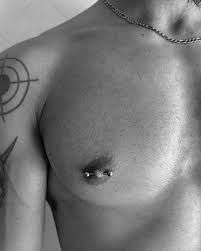
Avoid submerging the piercing in bodies of water such as lakes, pools, oceans, hot tubs, etc. Or, protect your piercing using a waterproof transparent film dressing. These are available at most pharmacies and are ideal for nipple, navel, and surface piercing placements.
-
Avoid all beauty and personal care products on or around the piercing including cosmetics, lotions, and sprays, etc.
-
Don’t hang charms or any object from your jewelry until the piercing is fully healed.
TIPS FOR HEALING OF PARTICULAR AREAS
Navel:
-
You can protect your piercing from excess irritation, physical trauma from activities like sports, or tight clothing with a hard, vented eye patch (sold at pharmacies). To avoid irritation from adhesive/medical tape, you can secure it over your piercing using tights/stockings or using a length of elastic/ace-type bandage around your body.
-
Ear/Ear Cartilage and Facial:
-
Clean bedding and pillow cases are important. You can use the t-shirt trick: slip your pillow in a large, clean t-shirt. You can get up to four clean surfaces for sleeping by rotating the pillow and turning the t-shirt inside out.
-
Surfaces like phones, headphones, eyeglasses, etc can be cleaned with an appropriate disinfectant. Items like hats, scarves, headbands, etc should be washed regularly.
-
Use caution when styling your hair and advise your stylist of a new or healing piercing.
-
Sleeping directly on a healing cartilage piercing can cause irritation, even causing shifts in the piercing’s angle. Placing a travel pillow, on top of your pillow, and then placing your ear in the opening can be helpful to avoid this
Nipples:
-
The support of a tight cotton shirt or sports bra may provide protection and feel comfortable, especially for sleeping.
-
Genital:
-
Genital Piercings – especially Triangles, Prince Alberts, Ampallangs, and Apadravyas – can bleed freely for the first few days. Be prepared. Additional cleaning after urination is not necessary
-
Wash your hands before touching (directly or near-by) a healing piercing.
-
In most cases you can engage in sexual activity as soon as you feel ready, but maintaining hygiene and avoiding trauma are vital; all sexual activities should be gentle during the healing period.
-
Use barriers such as condoms, dental dams, and waterproof bandages, etc. to avoid contact with your partners’ body fluids, even in long-term monogamous relationships.
-
Use protection on sex toys, too.
-
Use a new container of water-based lubricant; do not use saliva.
-
Showering after intercourse is suggested.
Surface Anchors:
-
These piercings require maintenance during their entire lifetime because matter can build up underneath the threaded top causing the piercing to become irritated. Saline and/or shower rinses may be helpful with removing matter from underneath the threaded top.
-
Avoid putting makeup on these piercings even after healing.
-
Even with proper care, surface anchors may be less permanent than other body piercings.